Labs and Facilities
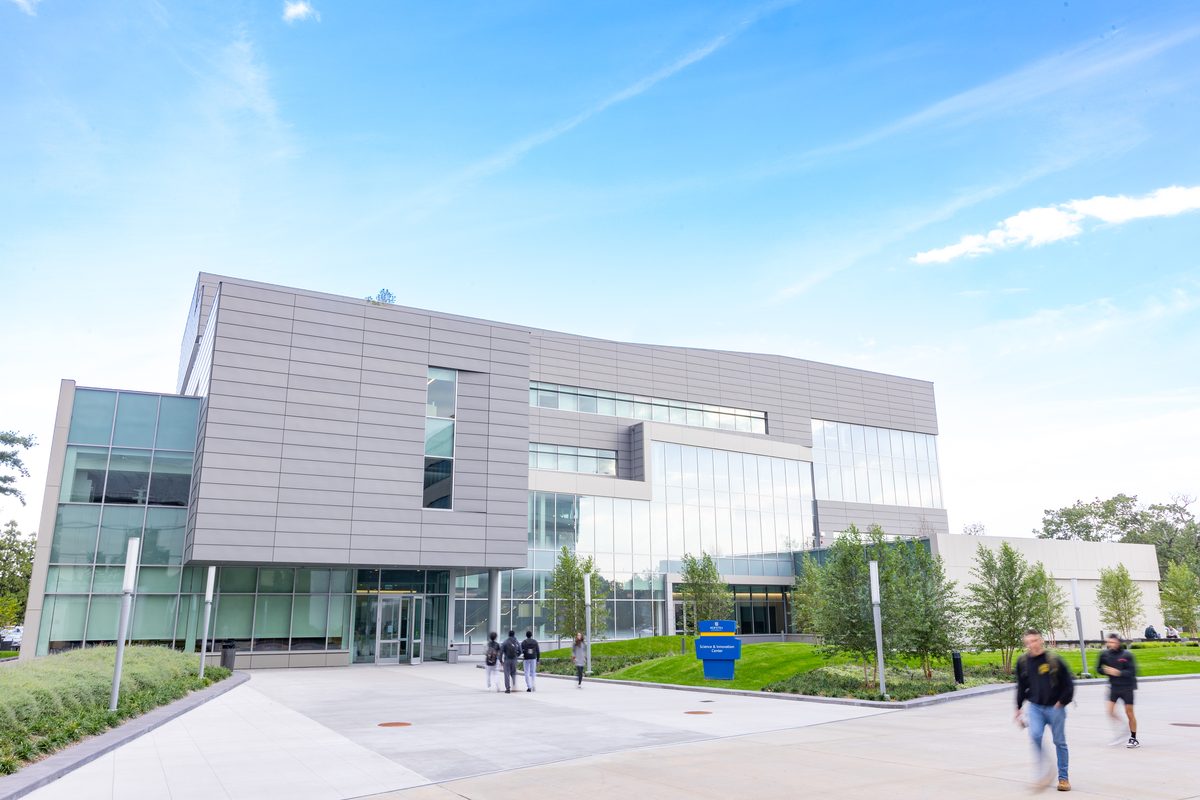
Computer Science at Hofstra is at home in the Science and Innovation Center (SIC), a four-story academic building of about 75,000 square feet that the Fred DeMatteis School of Engineering and Applied Science shares with the School of Nursing and Physician Assistant Studies. Our labs there were planned around the courses in our undergraduate and graduate programs, so students learn by doing: writing code on Linux workstations, training models on GPU-powered machines, wiring circuits at electronics benches, building robots and running research on a high-performance computing cluster.
Featured labs
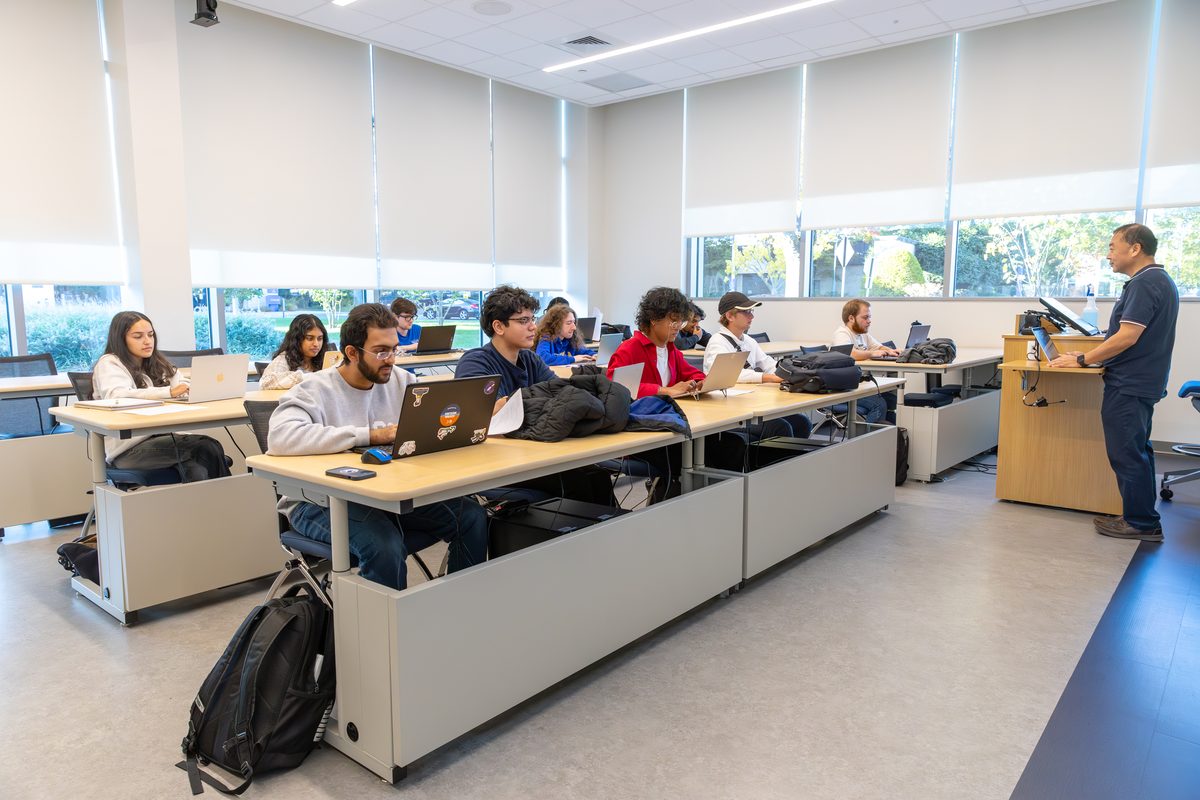
Big Data Lab SIC 126
A teaching lab of 33 GPU-equipped Linux workstations for courses in machine learning, artificial intelligence, text mining and networking.
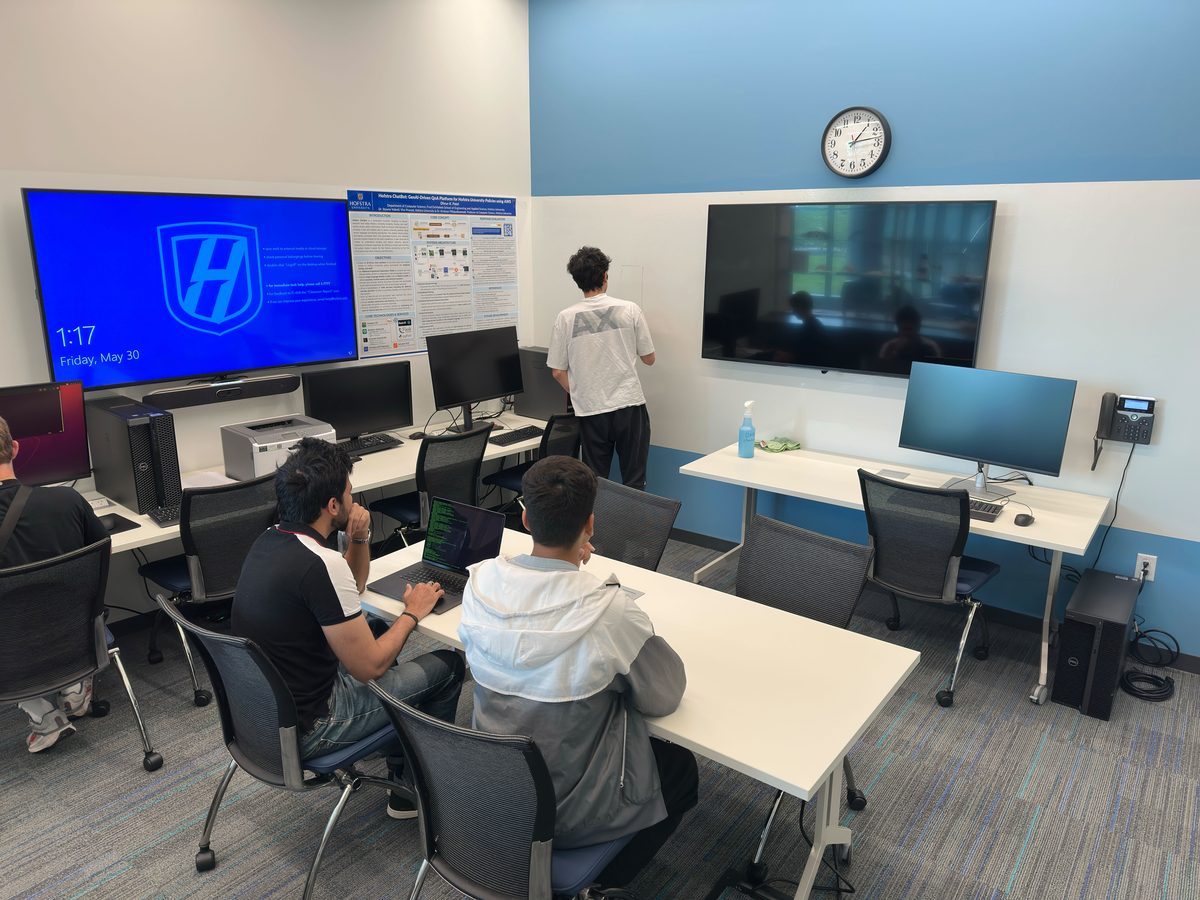
Intelligent Systems Lab SIC 127
A shared research lab for artificial intelligence, cognitive modeling and robotics, with high-end GPU workstations and the humanoid robot Gus.
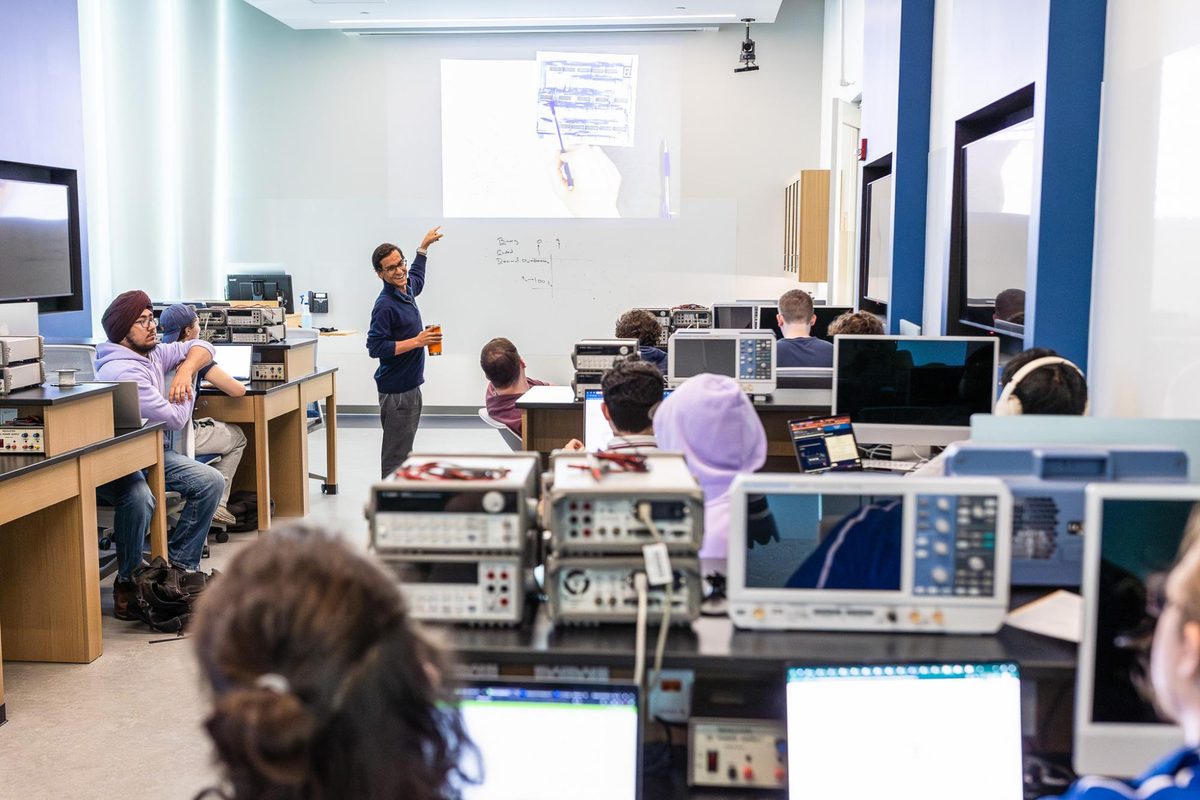
Architecture Lab SIC 100
A hands-on teaching lab for computer architecture, embedded systems, systems programming and iOS app development.
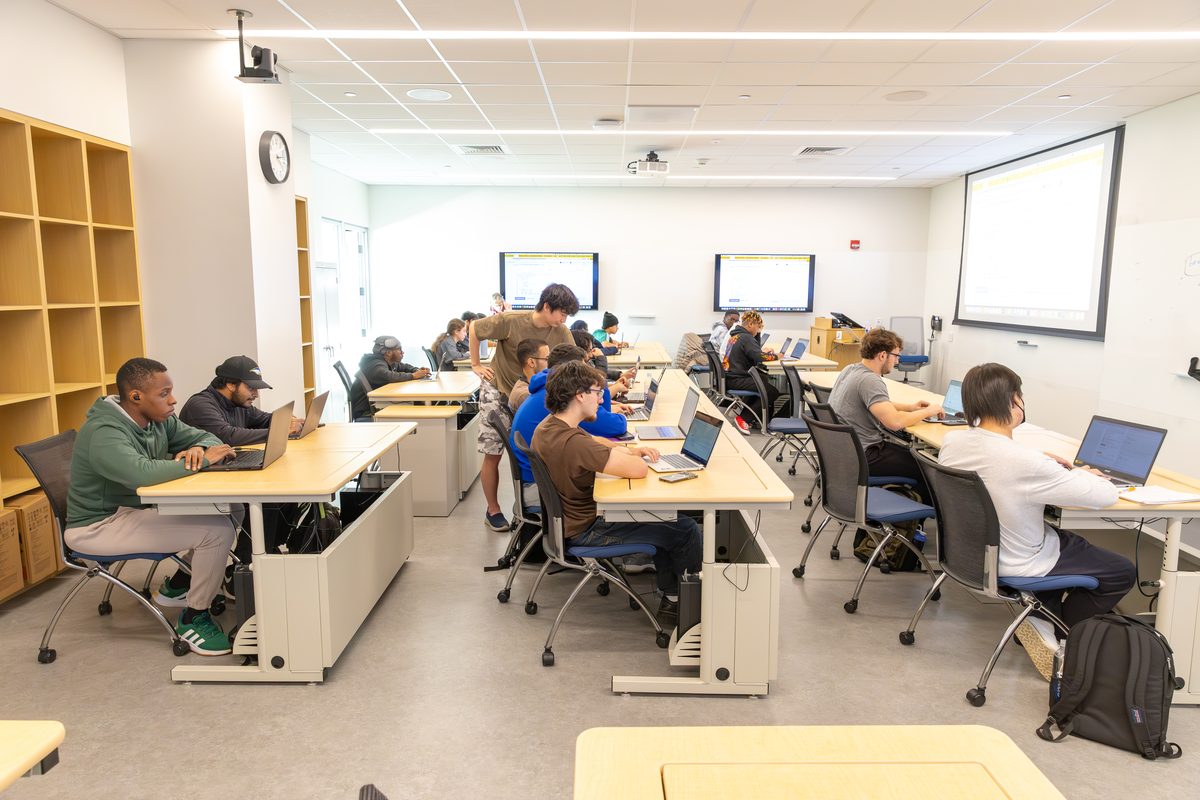
Linux Lab SIC 206
The department's home base, with 40 Linux workstations where students take their programming courses and work together outside class.
Computing infrastructure
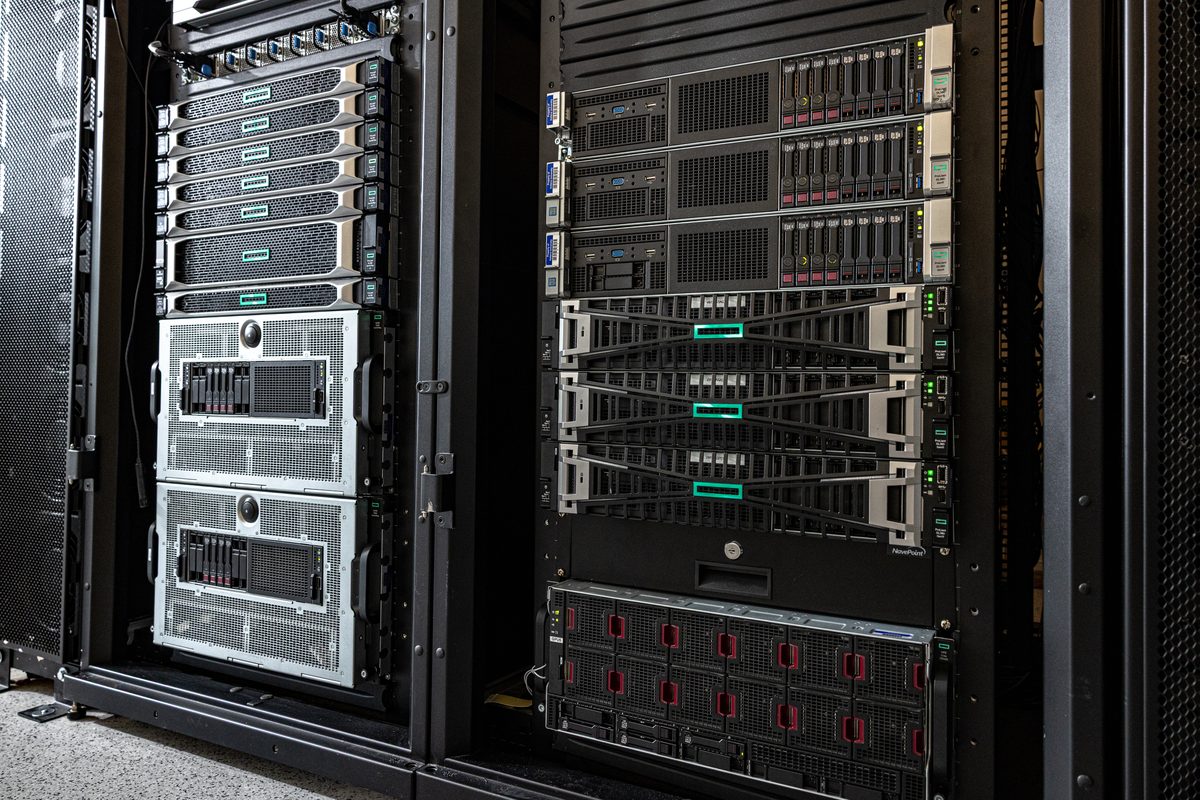
Data Center SIC 122
Home of the department's academic computing cloud infrastructure, which gives courses, research and student projects their own virtual machines, and of the Star high-performance computing cluster, with 38 NVIDIA data-center GPUs.
More labs in the SIC
- Computer Systems Lab (SIC 121)
A shared research lab for computer systems research, including cloud, parallel and distributed computing.
- Systems and Graphics Lab (SIC 205)
Used for advanced classes such as computer graphics, game development, computer vision and operating systems.
- Advanced Computing Research (SIC 234)
A research lab for cybersecurity and theoretical computer science that doubles as a conference room.
- Virtual Reality Lab (SIC 236)
A facility for research and projects in virtual reality, augmented reality, modeling, simulation and computer graphics.
The department’s research labs also include SIC 311, the Embedded and Autonomous Systems Lab (Zonghua Gu and Oren Segal), and SIC 312, the Computer Systems Lab (Jianchen Shan), both used by student researchers.
Other department facilities
-
Computer Science Amphitheater
(Adams 208)
The Amphitheater is used for a range of introductory to advanced courses. With 44 workstations, it is the department's largest computer lab.
-
Cybersecurity Innovation and Research Center
(C.V. Starr 108)
The Cybersecurity Lab provides a ‘war room’ environment with a cyber range and virtual environment where students can engage in cyber attack scenarios. It is the centerpiece of the Cybersecurity program, a joint program between the Department of Computer Science and the Department of Information Systems & Business Analytics (ISBAN).
Learn more
- The Star HPC cluster, housed in the Data Center, has its own site with research highlights, documentation and account applications: starhpc.hofstra.io.
- The University’s Computer Science facilities page gives an overview of the department’s spaces.
- Undergraduates can spend a summer doing research in DeMatteis School laboratories through the ten-week ASPiRe program.
For current students
Tutoring for Computer Science courses is in SIC 226, the department’s tutoring room. For lab accounts and remote access, see Remote Access to Labs; for anything else, contact the department.